Implementing Oracle PeopleSoft can transform your organization’s HR, finance, and supply chain operations—but only if done right. This guide walks you through every critical phase, from planning to go-live, ensuring a smooth, successful Oracle PeopleSoft implementation.
[ez-toc]




Understanding Oracle PeopleSoft Implementation

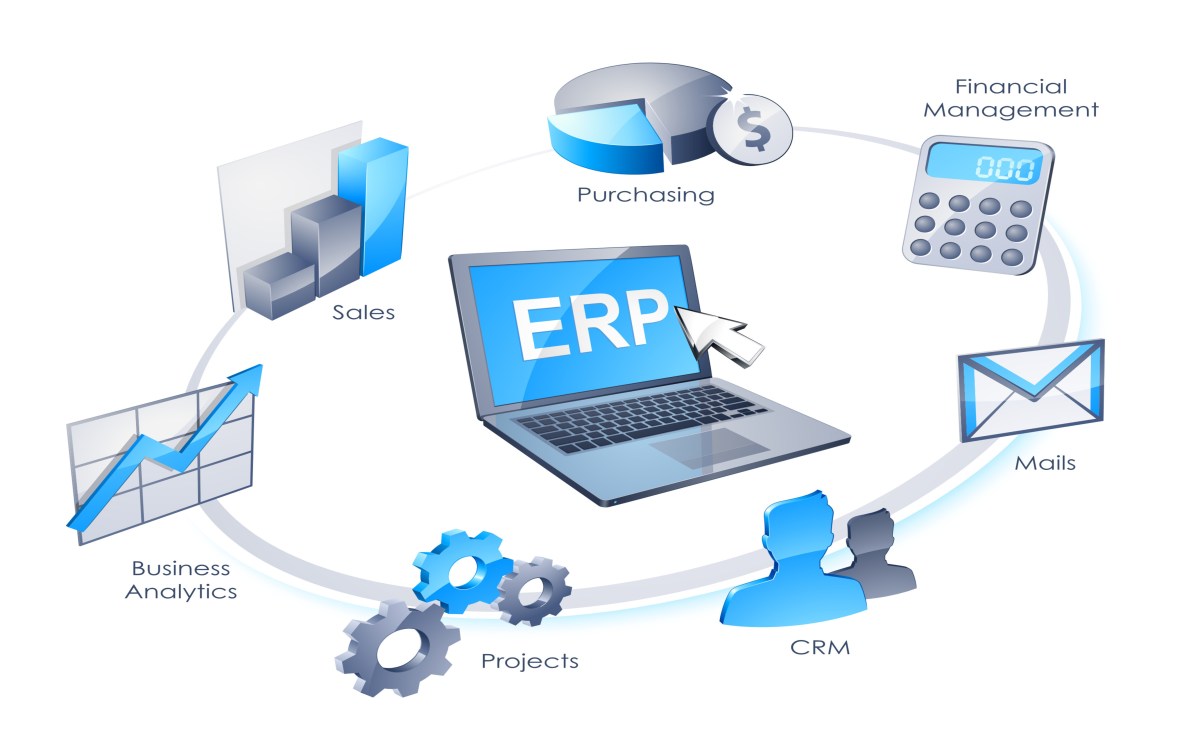
Oracle PeopleSoft is a powerful enterprise resource planning (ERP) suite widely used across industries for managing human capital, financials, and supply chain operations. An Oracle PeopleSoft implementation refers to the process of deploying this software within an organization, customizing it to meet specific business needs, and integrating it with existing systems.
What Is Oracle PeopleSoft?
Oracle PeopleSoft is a cloud and on-premise ERP solution developed by Oracle Corporation. Originally created by PeopleSoft Inc., it was acquired by Oracle in 2005. The platform offers modules such as Human Capital Management (HCM), Financial Management (FMS), and Supply Chain Management (SCM), making it a comprehensive tool for enterprise operations.
- PeopleSoft HCM manages recruitment, payroll, benefits, and performance.
- PeopleSoft FMS handles budgeting, accounting, and financial reporting.
- PeopleSoft SCM supports procurement, inventory, and asset management.
Its flexibility allows organizations to tailor workflows, security models, and reporting structures to their unique requirements. For more information, visit Oracle’s official PeopleSoft page.
Why Organizations Choose PeopleSoft
Organizations opt for Oracle PeopleSoft due to its robust functionality, scalability, and long-term support. Unlike some cloud-native ERPs that require constant subscription renewals, PeopleSoft offers both cloud and on-premise deployment, giving businesses control over their infrastructure.
- High configurability without heavy coding.
- Strong compliance features for global regulations.
- Proven track record in higher education, healthcare, and government sectors.
“PeopleSoft remains a top-tier ERP choice for large institutions needing deep customization and regulatory adherence.” — Gartner Research, 2023
Key Phases of Oracle PeopleSoft Implementation
A successful Oracle PeopleSoft implementation follows a structured methodology. Skipping or rushing any phase can lead to cost overruns, user resistance, or system failure. Most implementations follow a lifecycle that includes planning, analysis, design, development, testing, deployment, and post-go-live support.
Phase 1: Project Planning and Initiation
This foundational phase sets the tone for the entire project. It involves defining objectives, securing executive sponsorship, assembling the project team, and establishing timelines and budgets.
- Define clear business goals (e.g., reduce payroll processing time by 30%).
- Appoint a project manager and core team members from IT, HR, and finance.
- Develop a project charter outlining scope, risks, and success metrics.
According to Project Management Institute (PMI), projects with formal charters are 50% more likely to succeed.
Phase 2: Business Process Analysis
Before configuring the system, organizations must map current (as-is) processes and define future (to-be) workflows. This phase identifies inefficiencies and opportunities for automation.
- Conduct stakeholder interviews across departments.
- Document existing HR and financial processes.
- Align PeopleSoft capabilities with organizational goals.
This step ensures that the Oracle PeopleSoft implementation supports—not disrupts—core operations.
Oracle PeopleSoft Implementation: Customization vs. Configuration
One of the most critical decisions during implementation is determining how much to customize versus configure the system. While both enhance functionality, they differ significantly in complexity, cost, and long-term maintenance.
Understanding Configuration
Configuration involves using built-in tools to adjust PeopleSoft’s behavior without altering the underlying code. This includes setting up security roles, defining approval workflows, and customizing fields and pages.
- No need for custom code; changes are upgrade-safe.
- Managed through PeopleTools (e.g., Application Designer, PeopleCode).
- Examples: Adding a new job code, modifying a benefits enrollment form.
Oracle recommends maximizing configuration to reduce technical debt and simplify future upgrades.
When to Use Customization
Customization involves writing custom code (PeopleCode, SQR, Application Engine) or integrating third-party tools. It should be used sparingly and only when standard functionality cannot meet business needs.
- Required for unique regulatory reporting or legacy system integration.
- Increases complexity and testing requirements.
- May require rework during system upgrades.
“Over-customization is the number one reason for failed PeopleSoft upgrades.” — Oracle Support Bulletin, 2022
Best practice: Limit customization to less than 15% of total implementation effort.
Data Migration in Oracle PeopleSoft Implementation
Data migration is one of the most complex and high-risk aspects of any Oracle PeopleSoft implementation. It involves extracting data from legacy systems, cleansing it, transforming it into PeopleSoft-compatible formats, and loading it into the new environment.
Challenges in Data Migration
Poor data quality, inconsistent formats, and lack of documentation can derail migration efforts. Common issues include duplicate employee records, missing tax codes, and outdated organizational hierarchies.
- Data silos across departments lead to inconsistencies.
- Legacy systems may use incompatible data types (e.g., flat files vs. relational databases).
- Regulatory requirements (e.g., GDPR, HIPAA) demand strict data handling protocols.
Without proper planning, data migration can consume up to 40% of the total implementation budget.
Best Practices for Successful Data Migration
To ensure a smooth transition, organizations should adopt a phased, iterative approach to data migration.
- Start with a data audit to assess quality and completeness.
- Use Oracle’s Data Migration Workbench or third-party ETL tools like Informatica.
- Perform multiple test migrations in non-production environments.
Assign data stewards to validate records and resolve discrepancies. For detailed guidance, refer to Oracle’s PeopleSoft Data Migration Guide.
Oracle PeopleSoft Implementation: Testing Strategies
Thorough testing is non-negotiable in any Oracle PeopleSoft implementation. It ensures that the system behaves as expected, integrates correctly with other platforms, and meets user requirements.
Types of Testing Required
A comprehensive testing strategy includes multiple layers:
- Unit Testing: Validates individual components (e.g., a payroll calculation rule).
- Integration Testing: Ensures modules work together (e.g., time entry feeding into payroll).
- User Acceptance Testing (UAT): End-users verify the system meets business needs.
- Performance Testing: Assesses system speed under load.
- Security Testing: Confirms role-based access controls are enforced.
Each test phase should have documented scripts, expected outcomes, and defect tracking.
Automating Testing Processes
Manual testing is time-consuming and error-prone. Oracle provides tools like PeopleSoft Test Framework (PTF) to automate regression and functional tests.
- PTF allows recording user interactions and replaying them across environments.
- Reduces testing cycle time by up to 60%.
- Integrates with CI/CD pipelines for DevOps workflows.
Organizations that automate testing report 30% fewer post-go-live issues.
Training and Change Management in Oracle PeopleSoft Implementation
Even the most technically sound Oracle PeopleSoft implementation can fail if users resist adoption. Effective training and change management are essential to drive user engagement and ensure long-term success.
Developing a Change Management Strategy
Change management begins early in the project lifecycle. It involves communicating the benefits of the new system, addressing concerns, and building internal champions.
- Conduct readiness assessments to gauge user sentiment.
- Create a communication plan with regular updates via email, town halls, and intranet.
- Identify super-users in each department to act as peer mentors.
Prosci’s ADKAR model (Awareness, Desire, Knowledge, Ability, Reinforcement) is widely used in PeopleSoft implementations.
Designing Effective Training Programs
One-size-fits-all training doesn’t work. Tailor programs to different user roles (e.g., HR admins, finance clerks, managers).
- Use a blended approach: instructor-led sessions, e-learning modules, and job aids.
- Include hands-on labs in a sandbox environment.
- Offer post-go-live refresher courses and Q&A sessions.
According to SHRM, organizations with structured training see 70% higher user adoption rates.
Post-Implementation Support and Optimization
The go-live date is not the end—it’s the beginning of the operational phase. Post-implementation support ensures stability, addresses user issues, and identifies opportunities for optimization.
Establishing a Support Structure
A dedicated support team should be in place immediately after go-live. This includes help desk personnel, functional analysts, and technical experts.
- Set up a ticketing system (e.g., ServiceNow, Jira) to track incidents.
- Define SLAs for response and resolution times.
- Monitor system performance using Oracle Enterprise Manager.
The first 90 days post-go-live are critical; this is when most issues surface.
Continuous Improvement and Upgrades
Oracle regularly releases updates, patches, and new features for PeopleSoft. Staying current ensures security, compliance, and access to innovation.
- Join the Oracle MySupport community for patch notifications and best practices.
- Plan annual upgrade cycles using Oracle’s Update Manager.
- Leverage PeopleSoft’s Fluid User Interface for modern, mobile-friendly experiences.
Organizations that adopt a continuous improvement mindset achieve 25% greater ROI from their Oracle PeopleSoft implementation.
Common Pitfalls in Oracle PeopleSoft Implementation
Despite its benefits, many Oracle PeopleSoft implementations face challenges. Recognizing these pitfalls early can prevent costly delays and failures.
Underestimating Project Scope
One of the most common mistakes is treating PeopleSoft implementation as an IT project rather than a business transformation. This leads to inadequate resource allocation and unrealistic timelines.
- Failing to account for data cleansing, training, and change management.
- Ignoring dependencies on external systems (e.g., payroll providers).
- Not involving key stakeholders from the start.
Solution: Use a detailed Work Breakdown Structure (WBS) to map all tasks and dependencies.
Lack of Executive Sponsorship
Without active support from senior leadership, projects lose momentum. Executives must champion the initiative, resolve conflicts, and allocate budget.
- Assign a C-level sponsor (e.g., CFO, CHRO).
- Require regular progress reviews with decision-making authority.
- Link project success to performance metrics.
“Projects with strong executive sponsorship are 3x more likely to meet their goals.” — McKinsey & Company
Oracle PeopleSoft Implementation: Real-World Case Studies
Learning from others’ experiences can provide valuable insights. Here are two real-world examples of successful Oracle PeopleSoft implementations.
University of California System
The UC system implemented PeopleSoft HCM and FMS across 10 campuses to standardize HR and financial processes.
- Challenges: Diverse legacy systems, union regulations, decentralized governance.
- Solution: Phased rollout with campus-specific configurations.
- Results: 40% reduction in payroll errors, centralized reporting, improved compliance.
For details, see UC’s HR Transformation Project.
City of Atlanta
The City of Atlanta deployed PeopleSoft to modernize its municipal operations.
- Challenges: Aging infrastructure, manual processes, data fragmentation.
- Solution: Cloud-hosted PeopleSoft with integrated citizen services.
- Results: Faster permit processing, real-time budget tracking, 30% cost savings.
The project was completed on time and under budget, showcasing the power of disciplined Oracle PeopleSoft implementation.
What is Oracle PeopleSoft used for?
Oracle PeopleSoft is used to manage core enterprise functions such as human resources, payroll, benefits, financials, and supply chain operations. It is widely adopted in higher education, healthcare, and government sectors due to its scalability and compliance features.
How long does an Oracle PeopleSoft implementation take?
A typical Oracle PeopleSoft implementation takes 12 to 18 months, depending on the organization’s size, scope, and level of customization. Smaller deployments may take 6–9 months, while large, multi-module rollouts can exceed 24 months.
What are the key success factors for Oracle PeopleSoft implementation?
Key success factors include strong executive sponsorship, thorough business process analysis, effective change management, comprehensive testing, and a skilled project team. Avoiding over-customization and investing in user training are also critical.
Can Oracle PeopleSoft be integrated with other systems?
Yes, Oracle PeopleSoft can be integrated with third-party systems using tools like PeopleSoft Integration Broker, REST APIs, and middleware platforms such as Oracle SOA Suite or MuleSoft. Common integrations include payroll providers, identity management systems, and data warehouses.
Is Oracle PeopleSoft cloud-based?
Oracle offers both cloud and on-premise deployment options for PeopleSoft. While Oracle is encouraging migration to its Cloud ERP suite, PeopleSoft remains supported with regular updates and can be hosted in Oracle Cloud Infrastructure (OCI) or third-party data centers.
Implementing Oracle PeopleSoft is a strategic undertaking that can yield significant operational improvements. By following a structured approach—planning meticulously, engaging stakeholders, prioritizing data quality, and investing in training—organizations can ensure a successful deployment. The key is to view the Oracle PeopleSoft implementation not just as a technical upgrade, but as a business transformation. With the right strategy, tools, and support, your organization can unlock the full potential of this powerful ERP platform.
Further Reading: