Implementing Oracle Fusion Cloud ERP can transform your business—but only if done right. Discover the ultimate roadmap to a seamless, successful deployment that drives real results.
[ez-toc]




Understanding Oracle Fusion Cloud ERP Implementation

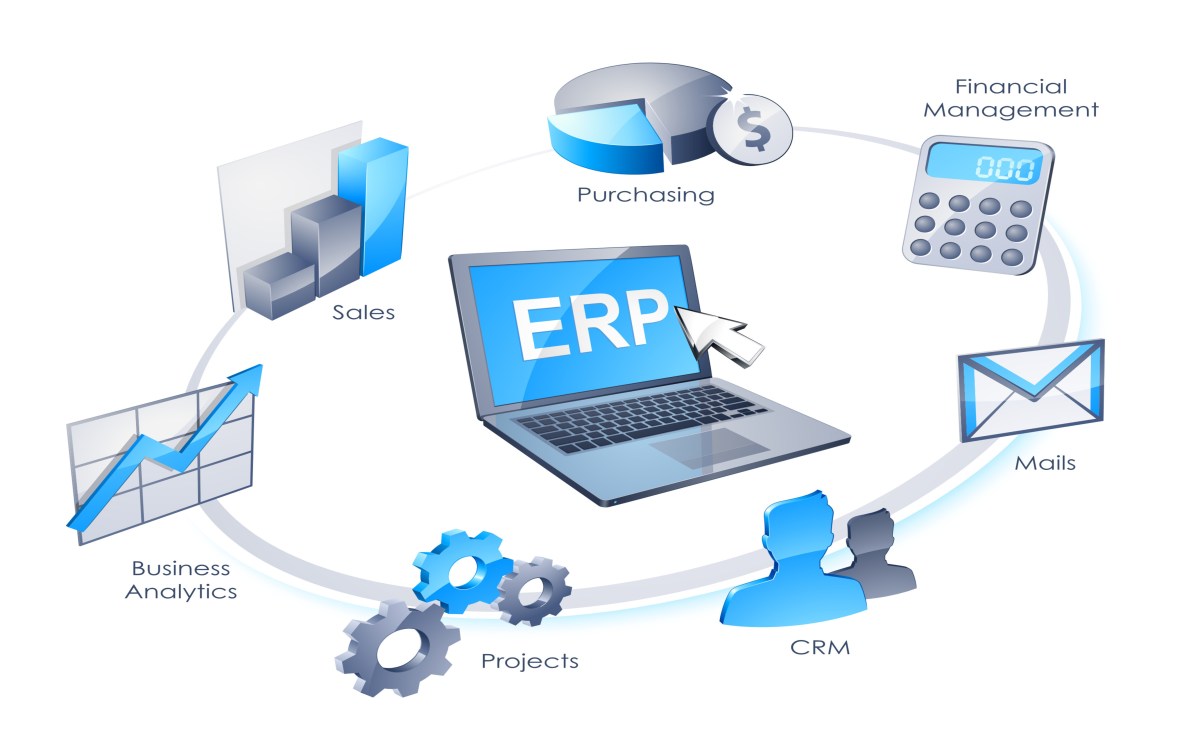
Oracle Fusion Cloud ERP is a comprehensive, cloud-based enterprise resource planning (ERP) suite designed to streamline financials, procurement, project management, and more. Its implementation, however, is not a simple plug-and-play process. It requires strategic planning, stakeholder alignment, and a deep understanding of both business needs and technical capabilities.
What Is Oracle Fusion Cloud ERP?
Oracle Fusion Cloud ERP is part of Oracle’s broader SaaS (Software as a Service) portfolio, offering a modern, AI-driven platform for managing core business operations. Unlike legacy ERP systems, it’s built on a unified data model, ensuring consistency across finance, HR, supply chain, and analytics.
According to Oracle’s official documentation, the platform leverages machine learning and real-time analytics to deliver predictive insights and automate routine tasks Oracle ERP Cloud Overview. This makes it ideal for organizations aiming to move beyond traditional accounting systems toward intelligent, data-driven decision-making.
Why Implementation Matters
Even the most advanced ERP system will fail if not implemented correctly. Poor implementation can lead to data silos, user resistance, cost overruns, and operational disruptions. A well-executed Oracle Fusion Cloud ERP implementation ensures that the system aligns with business goals, integrates smoothly with existing tools, and delivers measurable ROI.
Research by Panorama Consulting shows that nearly 60% of ERP projects exceed their budget, and 43% take longer than expected. This underscores the importance of a structured, phased approach to Oracle Fusion Cloud ERP implementation.
“The success of any ERP project hinges not on the software itself, but on how well it’s implemented.” — Panorama Consulting, ERP Report 2023
Key Benefits of Oracle Fusion Cloud ERP Implementation
Organizations that successfully complete an Oracle Fusion Cloud ERP implementation often experience transformative improvements across multiple departments. These benefits go beyond automation and extend into strategic decision-making, compliance, and scalability.
Real-Time Financial Visibility
One of the standout features of Oracle Fusion Cloud ERP is its ability to provide real-time financial reporting. With live dashboards and embedded analytics, finance teams can monitor cash flow, track expenses, and generate reports without waiting for month-end closes.
- Automated journal entries reduce manual errors
- Multi-GAAP and multi-currency support simplifies global operations
- Drill-down capabilities allow users to trace transactions from summary reports to source documents
This level of transparency empowers CFOs and executives to make faster, data-backed decisions. For example, a multinational corporation using Oracle Fusion Cloud ERP reported a 40% reduction in financial close time after implementation.
Enhanced Operational Efficiency
By automating workflows such as invoice processing, purchase orders, and employee onboarding, Oracle Fusion Cloud ERP reduces manual intervention and accelerates business processes.
Procurement cycles, for instance, can be shortened by up to 50% through automated approval routing and supplier collaboration tools. Additionally, project-based organizations benefit from integrated project costing and resource planning, ensuring projects stay on budget and on schedule.
A case study from Oracle highlights how a global engineering firm improved project profitability by 18% after implementing Oracle Fusion Cloud ERP’s project financial management module Oracle Customer Success Stories.
Phases of Oracle Fusion Cloud ERP Implementation
A successful Oracle Fusion Cloud ERP implementation follows a structured lifecycle. Oracle recommends a methodology known as the Oracle Unified Method (OUM), which includes seven key phases: Project Start-Up, Business Mapping, Configuration, Data Migration, Testing, Deployment, and Post-Go-Live Support.
1. Project Start-Up and Planning
This initial phase sets the foundation for the entire implementation. It involves defining project scope, assembling the core team, establishing timelines, and securing executive sponsorship.
Key activities include:
- Identifying business objectives and KPIs
- Selecting internal project leads and external consultants
- Conducting a risk assessment and change management strategy
Without a clear roadmap, projects often drift off course. A Gartner study found that ERP initiatives with strong executive sponsorship are 1.5x more likely to succeed.
2. Business Process Mapping
Before configuring the system, organizations must map their current (as-is) processes and define future (to-be) workflows. This step ensures that the ERP system supports—not disrupts—core operations.
For example, a manufacturing company might analyze its order-to-cash cycle to identify bottlenecks. The implementation team then designs an optimized process within Oracle Fusion, leveraging best practices while accommodating unique business rules.
Tools like Oracle’s Process Accelerators provide pre-built templates for common scenarios, speeding up this phase significantly.
3. System Configuration and Customization
During this phase, the technical team configures Oracle Fusion Cloud ERP to match the organization’s requirements. This includes setting up chart of accounts, defining approval hierarchies, and enabling modules like General Ledger, Payables, and Receivables.
While Oracle Fusion is designed to minimize customization, some organizations require tailored solutions. However, excessive customization can complicate upgrades and increase maintenance costs. Oracle recommends adopting standard functionality whenever possible.
Best practices include:
- Using Oracle’s seeded roles and security profiles
- Leveraging REST APIs for integration with third-party systems
- Configuring workflows using the BPM (Business Process Management) engine
Data Migration Strategies in Oracle Fusion Cloud ERP Implementation
Data is the lifeblood of any ERP system. A poorly executed data migration can lead to inaccuracies, compliance issues, and user distrust. Therefore, data migration is one of the most critical aspects of Oracle Fusion Cloud ERP implementation.
Data Assessment and Cleansing
Before migrating data, organizations must assess its quality, relevance, and completeness. Legacy systems often contain duplicate records, outdated customer information, and inconsistent coding.
A thorough data cleansing process includes:
oracle fusion cloud erp implementation – Oracle fusion cloud erp implementation menjadi aspek penting yang dibahas di sini.
- Identifying and removing duplicate vendor or customer records
- Standardizing address formats and naming conventions
- Validating account hierarchies and cost centers
Oracle provides tools like Data Quality Management (DQM) and Enterprise Data Management (EDM) to automate much of this work. These tools help ensure that only clean, accurate data enters the new system.
Migration Tools and Techniques
Oracle Fusion Cloud ERP offers several data migration options, including:
- File-Based Data Import (FBDI): Allows bulk upload of data via CSV or Excel files mapped to specific interfaces.
- Web Services (REST/SOAP APIs): Ideal for real-time integration with external systems.
- Oracle Integration Cloud (OIC): Enables seamless data flow between Oracle and non-Oracle applications.
For large-scale migrations, many organizations use third-party tools like Dell Boomi or Informatica in conjunction with Oracle’s native loaders. A phased migration approach—starting with master data (e.g., customers, items), followed by transactional data (e.g., open invoices)—reduces risk and allows for incremental validation.
“Data migration isn’t just a technical task—it’s a business process that requires ownership, validation, and sign-off from functional teams.” — Oracle Fusion Cloud ERP Implementation Guide
Change Management and User Adoption
Even the most technically flawless Oracle Fusion Cloud ERP implementation can fail if users resist the change. Human factors often determine the success or failure of digital transformation initiatives.
Developing a Change Management Strategy
A robust change management plan addresses the people side of ERP adoption. It includes communication, training, and ongoing support to help employees transition smoothly.
Key components include:
- Creating a clear vision for why the change is happening
- Engaging champions across departments to advocate for the system
- Providing regular updates through newsletters, town halls, and FAQs
Prosci’s ADKAR model (Awareness, Desire, Knowledge, Ability, Reinforcement) is widely used during ERP implementations to guide change efforts. Applying this framework helps organizations move users from resistance to active participation.
Training and Enablement Programs
One-size-fits-all training doesn’t work. Effective training programs are role-based, interactive, and continuous.
Oracle offers a range of learning resources:
- Oracle University provides instructor-led and self-paced courses
- In-app guidance and tooltips assist users during daily tasks
- Sandbox environments allow users to practice without affecting live data
For example, a retail company implemented a “train-the-trainer” model, where super-users were trained first and then taught their peers. This approach reduced training costs by 30% and increased engagement.
Testing and Quality Assurance
Testing is a non-negotiable phase in any Oracle Fusion Cloud ERP implementation. It ensures that configurations work as intended, integrations function correctly, and data flows accurately across modules.
Types of Testing Required
A comprehensive testing strategy includes multiple layers:
- Unit Testing: Validates individual components like a payment approval workflow.
- Integration Testing: Ensures data moves correctly between modules (e.g., from Procurement to Payables).
- User Acceptance Testing (UAT): Involves end-users validating that the system meets business needs.
- Performance Testing: Assesses system speed and stability under load.
Each test should have clear pass/fail criteria and documented results. Defects must be logged, prioritized, and resolved before go-live.
Best Practices for Effective Testing
To maximize testing efficiency:
- Involve business users early in test case design
- Use realistic data sets that reflect actual business scenarios
- Conduct regression testing after every configuration change
- Leverage Oracle’s Test Automation Framework (TAF) to reduce manual effort
Organizations that skip thorough testing often face post-go-live fires. A financial services firm, for instance, discovered after launch that tax calculations were incorrect due to a missed integration test—resulting in delayed filings and penalties.
Go-Live and Post-Implementation Support
The go-live moment is both exciting and high-pressure. It marks the transition from project mode to operational reality. However, the work doesn’t end when the system goes live.
Go-Live Readiness Assessment
Before flipping the switch, teams must conduct a formal readiness review. This includes verifying:
- All configurations are finalized and approved
- Data migration is complete and validated
- Users are trained and confident
- Support teams are on standby for Day 1 issues
Oracle recommends using a Go-Live Checklist to ensure nothing is overlooked. This document typically includes sign-offs from IT, finance, procurement, and HR leadership.
Post-Go-Live Stabilization
The first 30–90 days after go-live are critical. This period, known as the stabilization phase, focuses on resolving issues, fine-tuning performance, and reinforcing user adoption.
Common post-go-live activities include:
- Monitoring system performance and error logs
- Addressing user feedback and configuration tweaks
- Conducting hypercare support sessions with power users
- Reviewing key metrics like transaction volume and error rates
Many organizations assign a “hypercare” team—comprising consultants, IT staff, and business analysts—to provide immediate support during this phase. After stabilization, responsibility gradually shifts to internal support teams.
Common Challenges in Oracle Fusion Cloud ERP Implementation
Despite its many advantages, Oracle Fusion Cloud ERP implementation is not without hurdles. Recognizing these challenges early allows organizations to proactively mitigate risks.
Scope Creep and Timeline Overruns
One of the most common pitfalls is allowing project scope to expand beyond the original plan. Requests for additional features or integrations can delay timelines and inflate budgets.
Countermeasures include:
- Establishing a formal change control process
- Prioritizing requirements using MoSCoW (Must-have, Should-have, Could-have, Won’t-have)
- Setting realistic milestones and holding regular status reviews
A manufacturing client, for example, avoided a six-month delay by freezing scope after the design phase and deferring non-critical enhancements to Phase 2.
oracle fusion cloud erp implementation – Oracle fusion cloud erp implementation menjadi aspek penting yang dibahas di sini.
Data Quality and Master Data Management
Poor data quality remains a top reason for ERP project failures. Incomplete, inconsistent, or outdated data undermines trust in the system.
Solutions include:
- Appointing data stewards responsible for data integrity
- Implementing data governance policies and validation rules
- Using Oracle’s Enterprise Data Management (EDM) to centralize master data
Organizations that invest in data governance upfront report higher user satisfaction and faster ROI.
Best Practices for a Successful Oracle Fusion Cloud ERP Implementation
To ensure your Oracle Fusion Cloud ERP implementation delivers maximum value, follow these proven best practices.
Secure Executive Sponsorship
ERP projects require cross-functional collaboration and resource allocation. Without active support from C-level executives, initiatives can stall due to lack of funding or competing priorities.
Sponsors should:
- Champion the project publicly
- Remove organizational roadblocks
- Participate in key decision-making forums
Research shows that projects with engaged sponsors are 30% more likely to meet their objectives.
Leverage Oracle’s Implementation Resources
Oracle provides extensive tools and support to accelerate implementation:
- Oracle Cloud Application Services: Offers advisory, technical, and functional support.
- Ready-to-Go Solutions: Pre-configured industry templates for faster deployment.
- Customer Connect Community: A peer network for sharing insights and troubleshooting.
Additionally, Oracle’s Cloud Documentation Library contains detailed guides, videos, and best practice papers.
Adopt a Phased Rollout Approach
Instead of a big-bang launch, consider implementing Oracle Fusion Cloud ERP in phases. Start with a single module (e.g., Financials) or a specific business unit before expanding.
Benefits include:
- Reduced risk and complexity
- Opportunity to learn and refine processes
- Smaller budget commitments per phase
A global logistics company successfully rolled out Oracle Fusion across 12 countries over 18 months using a regional phase-in strategy, minimizing disruption.
What is Oracle Fusion Cloud ERP?
Oracle Fusion Cloud ERP is a comprehensive, cloud-based enterprise resource planning suite that integrates financial management, procurement, project management, and risk compliance into a single, AI-powered platform.
How long does an Oracle Fusion Cloud ERP implementation take?
Implementation timelines vary based on complexity, but typically range from 6 to 12 months for mid-sized organizations. Smaller deployments can take as little as 3–4 months, while large, global rollouts may extend to 18+ months.
What are the key risks in Oracle Fusion Cloud ERP implementation?
Common risks include poor data quality, lack of user adoption, scope creep, inadequate change management, and integration challenges with legacy systems.
Can Oracle Fusion Cloud ERP be customized?
Yes, but Oracle recommends minimizing customization to ensure easier upgrades and lower maintenance costs. Most requirements can be met using configuration options, extensions, and Oracle Integration Cloud.
What support is available during Oracle Fusion Cloud ERP implementation?
Organizations can access Oracle Support, Oracle Consulting Services, partner ecosystems (like Deloitte, Accenture), and the Oracle Customer Community for guidance and troubleshooting.
Successfully navigating an Oracle Fusion Cloud ERP implementation requires more than technical expertise—it demands strategic vision, change leadership, and meticulous execution. By following a structured approach, investing in data quality, and prioritizing user adoption, organizations can unlock the full potential of this powerful platform. Whether you’re streamlining financials, enhancing procurement, or gaining real-time insights, a well-executed implementation lays the foundation for long-term digital transformation and operational excellence.
oracle fusion cloud erp implementation – Oracle fusion cloud erp implementation menjadi aspek penting yang dibahas di sini.
Further Reading: