Thinking about moving your business systems to the cloud? Oracle ERP Cloud migration services are transforming how companies manage finance, supply chains, and operations—with speed, security, and scalability. Discover why thousands of enterprises trust this shift for long-term growth.
[ez-toc]




Understanding Oracle ERP Cloud Migration Services

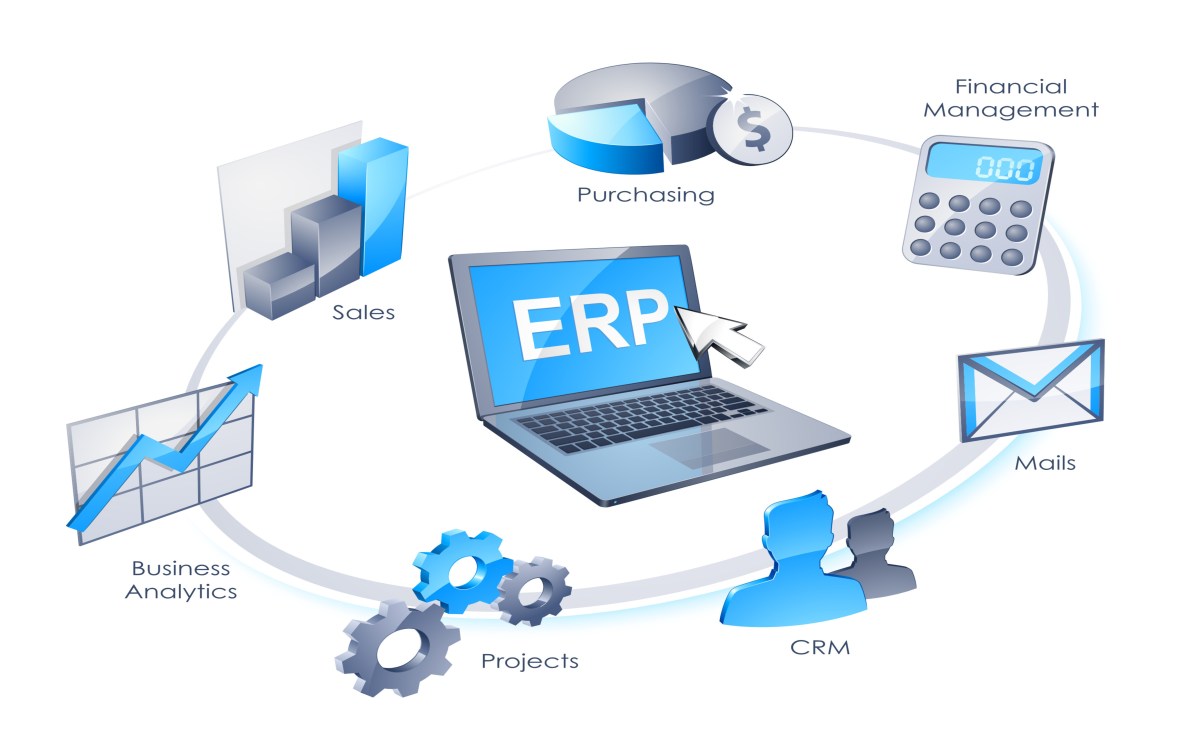
Oracle ERP Cloud migration services refer to the comprehensive process of transitioning an organization’s on-premises Enterprise Resource Planning (ERP) systems to Oracle’s cloud-based platform. This shift is not just technological—it’s strategic, enabling businesses to modernize operations, reduce IT overhead, and gain real-time insights across departments.
What Is Oracle ERP Cloud?
Oracle ERP Cloud is a suite of integrated financial, project, procurement, and risk management applications delivered via a Software-as-a-Service (SaaS) model. Unlike traditional ERP systems that require physical servers and extensive maintenance, Oracle ERP Cloud operates on Oracle’s secure, global infrastructure, offering automatic updates, enhanced performance, and seamless integration with other Oracle and third-party tools.
- Real-time analytics and AI-driven forecasting
- Global compliance and multi-currency support
- Scalable architecture for growing enterprises
According to Oracle’s official site, the ERP Cloud platform serves over 9,000 customers worldwide, including industry leaders in manufacturing, healthcare, and retail.
Why Migrate from On-Premises to Cloud?
Legacy ERP systems often become costly, inflexible, and difficult to scale. Organizations face challenges such as outdated interfaces, limited mobile access, and high maintenance costs. Migrating to Oracle ERP Cloud eliminates these pain points by offering:
- Reduced capital expenditure (CapEx) through subscription-based pricing
- Faster deployment cycles compared to traditional ERP rollouts
- Improved disaster recovery and data redundancy
“The cloud is no longer just an option—it’s the foundation of digital transformation.” — Larry Ellison, CTO of Oracle
Key Benefits of Oracle ERP Cloud Migration Services
Organizations that leverage Oracle ERP cloud migration services gain a competitive edge through improved efficiency, agility, and innovation. These benefits extend beyond IT and impact every level of the business, from finance teams to executive leadership.
1. Enhanced Operational Efficiency
By consolidating disparate systems into a unified cloud ERP environment, companies eliminate data silos and streamline workflows. Automated processes reduce manual entry errors and free up staff for higher-value tasks.
- Automated invoice processing and payment reconciliation
- Centralized financial reporting across global subsidiaries
- Integrated procurement-to-pay lifecycle management
For example, a multinational manufacturer reduced month-end close time by 40% after migrating to Oracle ERP Cloud, thanks to real-time data visibility and pre-built financial dashboards.
oracle erp cloud migration services – Oracle erp cloud migration services menjadi aspek penting yang dibahas di sini.
2. Scalability and Flexibility
One of the most compelling reasons to adopt Oracle ERP cloud migration services is the ability to scale operations up or down based on demand. Whether expanding into new markets or adjusting to seasonal fluctuations, cloud ERP adapts quickly.
- Add new users, modules, or geographic entities without hardware upgrades
- Support mergers and acquisitions with rapid system integration
- Deploy new features via quarterly updates without downtime
This flexibility is especially valuable for fast-growing startups and mid-sized firms aiming to compete with larger enterprises.
3. Advanced Analytics and AI Integration
Oracle ERP Cloud comes equipped with embedded artificial intelligence (AI) and machine learning capabilities that provide predictive insights. These tools help finance leaders anticipate cash flow trends, detect anomalies, and optimize spending.
- AI-powered anomaly detection in accounts payable
- Predictive forecasting for revenue and expenses
- Natural language processing for voice-enabled queries
These features transform ERP from a transactional system into a strategic decision-making engine.
Common Challenges in Oracle ERP Cloud Migration
While the benefits are substantial, migrating to Oracle ERP Cloud is not without challenges. Understanding these obstacles upfront allows organizations to plan effectively and avoid costly delays.
Data Migration Complexity
Transferring large volumes of historical data from legacy systems to the cloud requires careful planning. Issues such as data duplication, inconsistent formatting, and missing fields can derail migration timelines.
- Conduct a thorough data audit before migration
- Use Oracle Data Integration tools to map and cleanse data
- Validate data integrity post-migration with test scenarios
Partnering with experienced Oracle ERP cloud migration services providers can significantly reduce risks during this phase.
User Adoption and Change Management
Even the most advanced system fails if employees resist using it. A lack of training and poor communication often lead to low user adoption rates.
oracle erp cloud migration services – Oracle erp cloud migration services menjadi aspek penting yang dibahas di sini.
- Develop a change management strategy early in the project
- Provide role-based training sessions and interactive tutorials
- Appoint internal champions to guide teams through the transition
According to a Gartner report, over 50% of ERP projects face delays due to inadequate change management.
Integration with Existing Systems
Many organizations rely on third-party applications for CRM, HR, or supply chain management. Ensuring these systems communicate seamlessly with Oracle ERP Cloud is critical.
- Leverage Oracle Integration Cloud (OIC) for secure, real-time connectivity
- Use APIs to connect non-Oracle applications like Salesforce or Workday
- Test integrations in a sandbox environment before go-live
Without proper integration, businesses risk creating new silos instead of eliminating them.
The Oracle ERP Cloud Migration Process: Step by Step
A successful migration follows a structured methodology. Oracle recommends a phased approach that minimizes disruption and ensures long-term sustainability. Here’s a breakdown of the typical journey.
Phase 1: Assessment and Planning
This initial phase involves evaluating current systems, defining business goals, and selecting the right Oracle ERP modules. Key activities include:
- Conducting a gap analysis between legacy and cloud functionality
- Identifying customization needs and potential workarounds
- Establishing a project timeline, budget, and governance model
Engaging stakeholders from finance, IT, and operations ensures alignment across departments.
Phase 2: Design and Configuration
During this stage, consultants configure the Oracle ERP Cloud environment to match business processes. This includes setting up chart of accounts, approval workflows, and security roles.
- Use Oracle’s Rapid Implementation Spreadsheets (RIS) for faster setup
- Customize dashboards and reports based on user roles
- Define data migration rules and transformation logic
Oracle’s pre-built templates accelerate configuration and reduce errors.
oracle erp cloud migration services – Oracle erp cloud migration services menjadi aspek penting yang dibahas di sini.
Phase 3: Data Migration and Testing
Data migration is executed in waves, starting with master data (e.g., customers, vendors, items), followed by transactional data (invoices, orders). Rigorous testing ensures accuracy and performance.
- Perform parallel testing: run old and new systems side-by-side
- Validate financial balances and reconciliation reports
- Conduct user acceptance testing (UAT) with real-world scenarios
Tools like Oracle Data Loader and SQL*Loader facilitate bulk data uploads with validation checks.
Phase 4: Deployment and Go-Live
The go-live phase marks the official switch from legacy to cloud ERP. It requires close coordination, rollback plans, and 24/7 support.
- Schedule cutover during low-activity periods (e.g., month-end)
- Monitor system performance and user logins in real time
- Provide on-demand support via help desks or chatbots
Post-go-live stabilization typically lasts 30–60 days, during which issues are resolved and optimizations made.
Choosing the Right Oracle ERP Cloud Migration Services Provider
Selecting a qualified partner is crucial to the success of your migration. Not all consultants offer the same level of expertise, and the wrong choice can lead to budget overruns and operational disruptions.
What to Look for in a Migration Partner
When evaluating Oracle ERP cloud migration services providers, consider the following criteria:
- Proven track record with similar industry migrations
- Certified Oracle consultants with hands-on experience
- Comprehensive service offerings: assessment, implementation, training, support
Ask for client references and case studies to validate their capabilities.
Top Oracle Partners and System Integrators
Several global firms specialize in Oracle ERP Cloud implementations. These include:
oracle erp cloud migration services – Oracle erp cloud migration services menjadi aspek penting yang dibahas di sini.
- Accenture: Known for large-scale enterprise transformations and industry-specific solutions.
- Deloitte: Offers end-to-end advisory and implementation services with strong change management support.
- Capgemini: Combines technical expertise with innovation labs for rapid prototyping.
- Wipro: Provides cost-effective migration services with a focus on automation.
You can explore Oracle’s official partner directory at Oracle Partner Finder to find certified experts in your region.
Avoiding Common Selection Pitfalls
Some organizations choose vendors based solely on price, which can lead to subpar results. Other red flags include:
- Lack of transparency in project timelines and deliverables
- Overpromising on customization without considering upgrade compatibility
- Poor post-implementation support structure
Always insist on a detailed Statement of Work (SOW) and milestone-based payments.
Cost Considerations for Oracle ERP Cloud Migration
Understanding the total cost of ownership (TCO) is essential for budgeting and securing executive buy-in. While cloud ERP reduces long-term IT costs, the initial investment can be significant.
Licensing and Subscription Fees
Oracle ERP Cloud operates on a subscription model, typically billed per user per month. Pricing varies based on:
- Number of modules (Financials, Procurement, Project Management, etc.)
- User count and roles (full-access vs. limited-view users)
- Geographic region and contract length
For accurate quotes, contact Oracle sales or an authorized reseller directly.
Implementation and Consulting Costs
Implementation fees depend on project complexity, data volume, and customization needs. On average, mid-sized companies spend between $250,000 and $1 million on full migrations.
- Basic implementations: $150K–$300K
- Complex, multi-entity rollouts: $500K–$2M+
- Includes consulting, training, and project management
Some providers offer fixed-price packages, while others bill hourly.
oracle erp cloud migration services – Oracle erp cloud migration services menjadi aspek penting yang dibahas di sini.
Hidden Costs to Watch For
Organizations often underestimate indirect expenses such as:
- Internal staff time dedicated to the project
- Training and change management programs
- Integration with legacy or third-party systems
- Post-go-live support and optimization
Building a contingency fund (10–15% of total budget) helps manage unexpected costs.
Future Trends in Oracle ERP Cloud Migration Services
The landscape of ERP is evolving rapidly, driven by AI, automation, and hybrid work models. Staying ahead of trends ensures your investment remains future-proof.
AI and Machine Learning Expansion
Oracle continues to enhance its ERP Cloud with AI-driven features. Future releases will include:
- Intelligent automation of routine accounting tasks
- Predictive maintenance for supply chain assets
- Conversational AI assistants for finance teams
These advancements will further reduce manual effort and improve decision accuracy.
Increased Focus on Sustainability and ESG
Modern businesses are under pressure to report environmental, social, and governance (ESG) metrics. Oracle ERP Cloud now includes tools to track carbon emissions, energy usage, and sustainability goals.
- Automated ESG reporting aligned with global standards
- Integration with IoT sensors for real-time environmental data
- Supply chain transparency for ethical sourcing
This positions Oracle ERP not just as a financial system, but as a corporate responsibility platform.
Growth of Hybrid and Multi-Cloud Strategies
While many companies adopt full cloud ERP, others prefer hybrid models—keeping sensitive data on-premises while moving other functions to the cloud. Oracle supports this through:
oracle erp cloud migration services – Oracle erp cloud migration services menjadi aspek penting yang dibahas di sini.
- Oracle Cloud@Customer for on-premises cloud deployments
- Interoperability with AWS, Microsoft Azure, and Google Cloud
- Unified management console for multi-cloud environments
This flexibility makes Oracle ERP cloud migration services suitable for regulated industries like banking and healthcare.
Real-World Success Stories: Companies Thriving with Oracle ERP Cloud
Seeing how others have succeeded can inspire confidence in your own migration journey. Here are two notable examples.
Case Study 1: Global Retailer Streamlines Operations
A Fortune 500 retail chain with operations in 30+ countries migrated to Oracle ERP Cloud to unify its financial systems. Previously, each region used different ERPs, leading to inconsistent reporting and delayed decision-making.
- Reduced financial close time from 10 days to 3
- Eliminated $2.3M in annual licensing and maintenance costs
- Improved compliance with local tax regulations
The migration was completed in 14 months with support from Deloitte’s Oracle practice.
Case Study 2: Manufacturing Firm Boosts Supply Chain Visibility
An industrial equipment manufacturer faced inventory shortages and production delays due to poor supply chain visibility. After migrating to Oracle ERP Cloud, they gained real-time insights into procurement, production, and logistics.
- Reduced inventory carrying costs by 22%
- Improved on-time delivery rate from 78% to 94%
- Integrated supplier portals for automated order tracking
The project paid for itself within 18 months through operational savings.
What is Oracle ERP Cloud migration?
Oracle ERP Cloud migration is the process of moving an organization’s financial, procurement, and operational data and processes from on-premises ERP systems to Oracle’s cloud-based platform. This includes data transfer, system configuration, integration, and user training to ensure a smooth transition.
oracle erp cloud migration services – Oracle erp cloud migration services menjadi aspek penting yang dibahas di sini.
How long does an Oracle ERP Cloud migration take?
The duration varies based on complexity, but typical migrations take 6 to 18 months. Smaller organizations may complete the process in 6–9 months, while large, multi-entity enterprises can take up to 2 years.
Is Oracle ERP Cloud secure?
Yes. Oracle ERP Cloud is built with enterprise-grade security, including encryption, identity management, and compliance with global standards like GDPR, HIPAA, and SOC 1/2/3. Oracle’s data centers are monitored 24/7 with advanced threat detection.
Can I customize Oracle ERP Cloud?
Yes, but with limitations. Oracle allows customization through extensions (not core code changes) to ensure compatibility with future updates. Most business needs can be met using configuration options and Oracle’s PaaS tools.
Do I need a consultant for Oracle ERP Cloud migration?
While possible to self-manage, most organizations benefit from experienced Oracle ERP cloud migration services providers. Consultants bring best practices, tools, and industry knowledge that reduce risk and accelerate timelines.
oracle erp cloud migration services – Oracle erp cloud migration services menjadi aspek penting yang dibahas di sini.
Migrating to Oracle ERP Cloud is more than a technology upgrade—it’s a strategic transformation that enhances agility, visibility, and competitiveness. With the right planning, partners, and approach, businesses can unlock significant value through Oracle ERP cloud migration services. From reducing costs to enabling AI-driven insights, the cloud empowers organizations to operate smarter in a digital-first world. Whether you’re a growing mid-market company or a global enterprise, now is the time to explore how Oracle ERP Cloud can future-proof your operations.
Further Reading: