Thinking about moving your ERP to the cloud? A solid cloud erp migration strategy can make or break your digital transformation—get it right with these essential insights.
[ez-toc]




Understanding Cloud ERP Migration Strategy

A cloud erp migration strategy is more than just shifting software from on-premise servers to the cloud—it’s a comprehensive plan that aligns business goals, technology infrastructure, and operational workflows. According to Gartner, over 70% of enterprises will have migrated core systems like ERP to the cloud by 2025, driven by scalability, cost-efficiency, and agility.
What Is Cloud ERP?
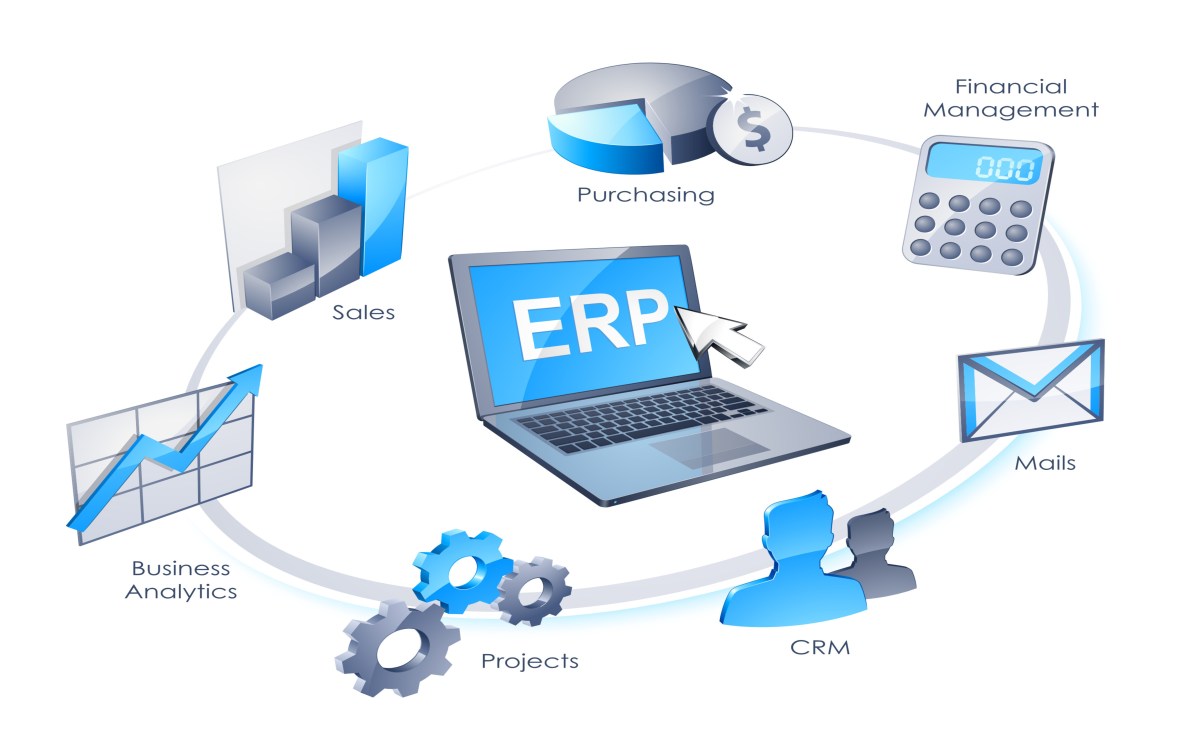
Cloud ERP (Enterprise Resource Planning) refers to ERP systems hosted on remote servers managed by third-party providers. Unlike traditional on-premise ERP, cloud ERP offers subscription-based access, automatic updates, and real-time data synchronization across departments.
- Accessible via web browsers or mobile apps
- Hosted and maintained by vendors like Oracle, SAP, or Microsoft
- Offers faster deployment and lower upfront costs
“The future of ERP is in the cloud—flexible, scalable, and always up to date.” — Gartner Research
Why Migrate to Cloud ERP?
Organizations are increasingly adopting cloud ERP due to its operational advantages. A well-crafted cloud erp migration strategy ensures these benefits are fully realized without disrupting business continuity.
- Reduced IT overhead and infrastructure costs
- Improved collaboration across geographies
- Enhanced data security and compliance capabilities
For example, companies like Nike and Toyota have leveraged cloud ERP to streamline global operations and accelerate decision-making.
Key Components of a Successful Cloud ERP Migration Strategy
A robust cloud erp migration strategy isn’t just technical—it’s strategic, organizational, and cultural. It requires alignment between IT, finance, HR, and operations teams to ensure seamless transition and adoption.
Executive Sponsorship and Leadership Buy-In
Top-down support is critical. Without executive sponsorship, ERP migration projects often stall due to lack of funding, resistance, or unclear priorities.
- Appoint a C-level champion to oversee the migration
- Establish a governance committee with cross-functional leaders
- Define clear KPIs tied to business outcomes (e.g., ROI, process efficiency)
According to a McKinsey study, initiatives with strong leadership support are 30% more likely to succeed.
Clear Business Objectives and KPIs
Before selecting a vendor or designing workflows, define what success looks like. Your cloud erp migration strategy should answer: What problems are we solving? How will we measure progress?
- Improve financial close time by 40%
- Reduce inventory carrying costs by 25%
- Increase order fulfillment speed by 30%
These measurable goals guide technology selection, process redesign, and post-migration evaluation.
Assessing Your Current ERP Landscape
Before you migrate, you must understand where you are. This phase involves auditing existing systems, processes, and data quality to identify gaps and dependencies.
Inventory of Existing Systems and Integrations
Map out all current ERP modules (finance, HR, supply chain), third-party integrations (CRM, payroll, e-commerce), and customizations.
- List all connected applications and APIs
- Identify legacy systems that may not be compatible with cloud platforms
- Document data flow between departments
Tools like Lucidchart or draw.io can help visualize integration architecture.
Data Quality and Cleansing
Poor data quality is one of the top reasons for ERP migration failure. Duplicate records, inconsistent formats, and outdated entries can derail go-live timelines.
- Run data audits using ETL (Extract, Transform, Load) tools
- Standardize naming conventions (e.g., customer IDs, product codes)
- Archive or delete obsolete data before migration
“Garbage in, garbage out”—clean data is non-negotiable for a successful cloud erp migration strategy.
Consider using data governance frameworks like DAMA-DMBOK to establish long-term data hygiene practices.
Selecting the Right Cloud ERP Vendor
Choosing the right platform is a cornerstone of any effective cloud erp migration strategy. The market is crowded with options, each tailored to different industries, sizes, and needs.
Top Cloud ERP Platforms Compared
Here’s a quick comparison of leading cloud ERP solutions:
- SAP S/4HANA Cloud: Best for large enterprises with complex global operations
- Oracle NetSuite: Ideal for mid-sized businesses seeking scalability
- Microsoft Dynamics 365: Strong integration with Office 365 and Azure ecosystem
- Infor CloudSuite: Industry-specific solutions for manufacturing, healthcare, and retail
- Workday: Leader in HR and financial management for service-based organizations
Visit vendor websites such as Oracle NetSuite Demo to explore live environments.
Evaluation Criteria for Vendors
Use a scoring matrix to objectively assess potential vendors based on:
- Functionality fit (core modules, industry-specific features)
- Scalability and performance under load
- Security certifications (SOC 2, ISO 27001, GDPR compliance)
- Total cost of ownership (licensing, implementation, training)
- Vendor support and SLA (Service Level Agreement)
Engage in proof-of-concept trials before finalizing contracts.
Designing the Migration Roadmap
A well-structured cloud erp migration strategy includes a detailed roadmap outlining phases, timelines, responsibilities, and risk mitigation plans.
Phased vs. Big Bang Migration
Two primary approaches exist:
- Phased Migration: Roll out modules gradually (e.g., finance first, then HR). Lower risk, easier troubleshooting, but longer timeline.
- Big Bang Migration: Switch all systems at once. Faster ROI but higher disruption risk if not executed perfectly.
Most organizations opt for phased migration, especially when dealing with global operations or complex supply chains.
Timeline and Milestone Planning
Create a Gantt chart or use project management tools like Asana or Microsoft Project to map key milestones:
- Requirements gathering (Weeks 1–4)
- Vendor selection (Weeks 5–8)
- System configuration (Weeks 9–16)
- Data migration testing (Weeks 17–20)
- User training (Weeks 21–24)
- Go-live and post-launch support (Week 25+)
Buffer time for unexpected delays—especially during data validation and user acceptance testing (UAT).
Data Migration and System Integration
Data migration is often the most technically challenging part of a cloud erp migration strategy. It involves extracting data from legacy systems, transforming it into the required format, and loading it into the new cloud environment.
ETL Process Best Practices
Follow the ETL (Extract, Transform, Load) framework rigorously:
- Extract: Pull data from source systems (databases, spreadsheets, flat files)
- Transform: Clean, deduplicate, and reformat data to match target schema
- Load: Import into the cloud ERP using APIs or bulk upload tools
Use middleware platforms like MuleSoft or Dell Boomi to automate and monitor ETL workflows.
Handling Master Data and Transactional Data
Master data (customers, vendors, products) must be consistent across systems. Transactional data (invoices, orders, payments) should be migrated in chronological order to preserve audit trails.
- Freeze transactional data during cut-over weekend
- Validate data integrity post-migration using reconciliation reports
- Implement data validation rules in the new system
For high-volume data, consider incremental migration rather than one-time bulk transfer.
User Training and Change Management
Technology fails when people don’t adopt it. A successful cloud erp migration strategy includes comprehensive change management to prepare employees for new workflows and tools.
Developing a Change Management Plan
Follow the ADKAR model (Awareness, Desire, Knowledge, Ability, Reinforcement) to drive adoption:
- Communicate the ‘why’ behind the migration early and often
- Engage change champions in each department
- Address fears and resistance through town halls and Q&A sessions
According to Prosci, projects with excellent change management are six times more likely to meet objectives.
Role-Based Training Programs
One-size-fits-all training doesn’t work. Tailor programs to user roles:
- Finance team: Focus on GL, AP/AR, reporting
- Operations: Inventory, procurement, production planning
- HR: Payroll, benefits, time tracking
Use a mix of methods: instructor-led workshops, e-learning modules, and sandbox environments for hands-on practice.
Post-Migration Optimization and Continuous Improvement
Going live is not the end—it’s the beginning. A mature cloud erp migration strategy includes ongoing monitoring, optimization, and iterative enhancements.
Performance Monitoring and Issue Resolution
Set up dashboards to track system health, user activity, and error rates.
- Monitor response times and uptime SLAs
- Track helpdesk tickets related to ERP usage
- Conduct weekly review meetings with the implementation team
Leverage built-in analytics tools (e.g., SAP Analytics Cloud, Microsoft Power BI) to gain insights.
Leveraging Cloud ERP for Innovation
Once stable, explore advanced features:
- AI-driven forecasting and anomaly detection
- Automated workflows using RPA (Robotic Process Automation)
- IoT integration for real-time asset tracking
Cloud ERP isn’t just about efficiency—it’s a platform for innovation and competitive advantage.
What is a cloud ERP migration strategy?
A cloud ERP migration strategy is a structured plan to move an organization’s ERP system from on-premise infrastructure to a cloud-based platform. It includes assessing current systems, selecting a vendor, planning data migration, training users, and ensuring business continuity throughout the transition.
How long does a cloud ERP migration take?
Typically, a cloud ERP migration takes 6 to 18 months, depending on company size, complexity, data volume, and chosen approach (phased vs. big bang). Smaller businesses may complete it in 3–6 months with streamlined processes.
What are the biggest risks in cloud ERP migration?
Key risks include data loss, poor data quality, user resistance, integration failures, and cost overruns. These can be mitigated through thorough planning, testing, change management, and vendor due diligence.
Can I migrate ERP data without downtime?
Yes, with proper planning. Techniques like incremental data sync, parallel runs, and weekend cut-overs minimize downtime. However, some temporary disruption is often unavoidable during final cutover.
Which industries benefit most from cloud ERP?
Manufacturing, retail, healthcare, logistics, and professional services see significant gains due to improved supply chain visibility, real-time reporting, and scalability. However, any industry can benefit from a well-executed cloud erp migration strategy.
A successful cloud erp migration strategy is not just a technical upgrade—it’s a business transformation. From assessing your current landscape to selecting the right vendor, executing data migration, and driving user adoption, every step matters. With strong leadership, clear objectives, and a focus on continuous improvement, organizations can unlock the full potential of cloud ERP: agility, insight, and growth. The journey may be complex, but the rewards are worth it.
Further Reading: